
How To Price Your Services
One of the biggest challenges for small business owners is deciding how much to charge for their services. Many people either charge too little because they are afraid of losing customers, or they copy competitors without understanding whether the pricing actually works for their own business.
Pricing is not just about making a sale. Your pricing affects profitability, sustainability and how customers perceive the value of your work. If your prices are too low, you may attract customers but struggle to survive financially. If your prices are too high without enough value or trust, customers may choose competitors instead.
The goal is to find a price that covers your costs, rewards your time and skill, and still feels fair and competitive within your market.
Understand Your Costs First
Before setting prices, you need to understand what it actually costs to deliver your service. Many small businesses forget to include important expenses when calculating pricing. They only focus on the immediate job and ignore transport, electricity, internet, tools, software, marketing, airtime and the time spent communicating with customers.
Even home businesses have operating costs. If you ignore those costs, your business may appear profitable while actually losing money over time. A sustainable business needs to generate enough income not only to survive today, but also to grow and handle future expenses.
Take time to calculate your basic monthly expenses and estimate how many jobs or clients you realistically expect to handle. This helps you understand what pricing level is actually sustainable.
Do Not Compete Only On Price
Many new businesses try to win customers by being the cheapest option. While this may generate short-term enquiries, it often creates long-term problems. Cheap pricing attracts customers who compare businesses only on price and are less loyal over time.
Instead of focusing only on being cheaper, focus on delivering value. Customers are often willing to pay more when they trust your professionalism, communication, reliability and quality of work. Businesses that answer quickly, communicate clearly and present themselves professionally usually compete better than businesses that simply lower prices.
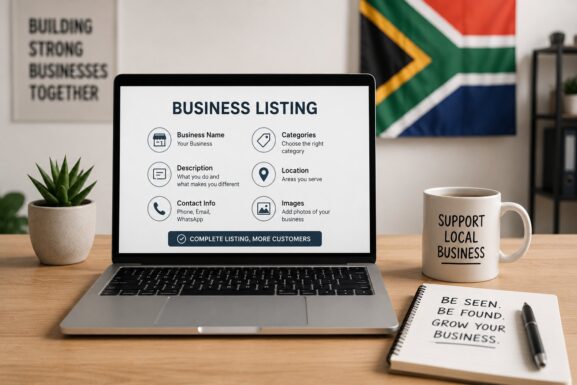
Your online presence also affects how customers perceive your value. A professional-looking business profile with clear information, images and pricing helps customers feel more confident about paying for your services.
Research Your Market Carefully
It is useful to research what similar businesses charge in your area, but do not blindly copy competitor pricing. Some businesses may undercharge because they are desperate for work, while others may overcharge without delivering enough value.
Use competitor pricing as a reference point rather than a rule. Think about your own experience, service quality, turnaround times and customer experience. Your pricing should reflect the overall value you provide, not just the task itself.
If you are starting out, it is okay to price slightly more competitively while building experience and testimonials. But avoid setting prices so low that your business becomes stressful or unsustainable.
Display Pricing Clearly Where Possible
Customers appreciate transparency. Many people avoid contacting businesses because they fear hidden costs or unclear pricing. Even if you cannot display exact prices for everything, giving customers some idea of pricing helps build trust.
This is one reason why business listings with service and pricing sections work so well. Platforms like My Main Road allow businesses to showcase services and pricing information directly on their profiles. Customers can quickly understand what you offer and decide whether your services fit their needs before making contact.
Clear pricing also helps attract more serious enquiries because customers already have a better understanding of your services before contacting you.
Increase Your Prices Gradually
Many business owners are afraid to increase prices, even when their skills and demand improve. Over time, your pricing should evolve as your business grows. As you gain more experience, stronger branding, better systems and more customer trust, your pricing can naturally increase as well.
You do not need to make dramatic changes overnight. Small and steady adjustments often work best. Customers are usually willing to pay more when they see professionalism, reliability and good communication.
The important thing is to avoid staying stuck at survival pricing forever. Your business should eventually support both your expenses and your long-term growth.
Build Visibility Alongside Pricing
Pricing becomes much easier when customers can clearly see the value of your business online. A visible business profile, clear descriptions, images and service information all help support your pricing and make customers feel more confident about choosing you.
If you want to make your services easier to discover online, create your listing on My Main Road or contact us for help getting your business online. Visibility and professionalism often matter just as much as pricing itself.